



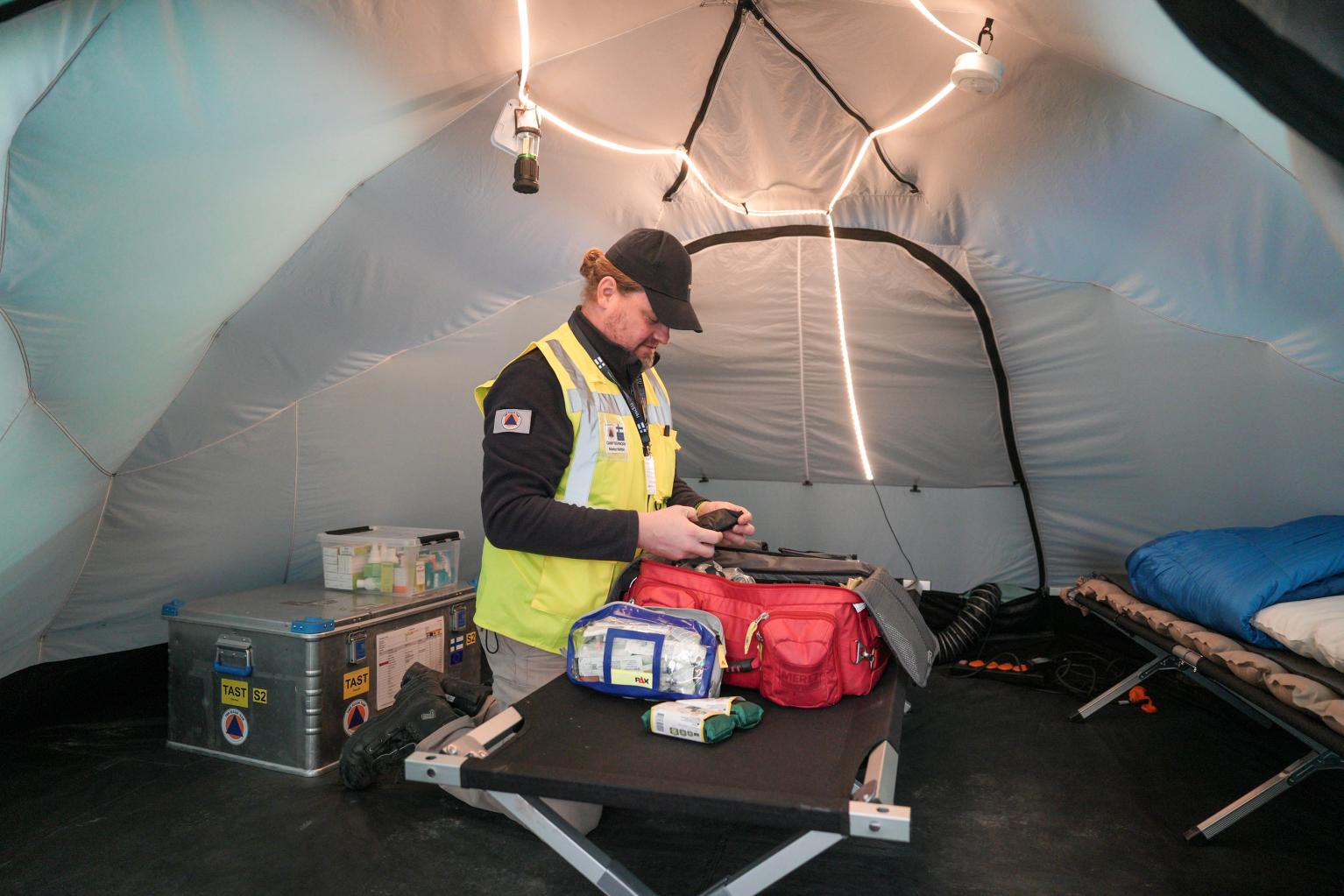
New guidelines to strengthen population preparedness
With Europe facing increasingly frequent crises, the EU Commission has issued new guidelines to help people prepare for emergencies, including advice on what essentials to pack for a 72-hour emergency.
At the European Civil Protection Forum in Brussels, the EU Commissioner for Preparedness and Crisis Management Hadja Lahbib presented the new guidelines, which would help European citizens protect themselves during emergencies to ensuring that national civil protection systems can keep operating when disaster strikes.
“When disaster strikes, the first hours can make all the difference. Every European should know what to do, how to protect their family, and how to help others”, she said: “Preparedness starts in our homes, in our schools, in our communities. That is why we are giving people practical tools to prepare for crises, while strengthening the systems they rely on when emergencies hit.”
From packing essentials in an emergency bag to knowing how to react when disaster strikes, preparedness starts with practical steps. The Commission’s new guidelines will help authorities give people the knowledge and tools they need to protect themselves and others in a crisis.
They cover 4 key areas:
72-hour self-sufficiency: helping people meet their essential needs during the first three days of an emergency, while public assistance is being mobilised, including through essential emergency supplies and emergency grab bags.
Preparedness education: integrating preparedness into early childhood and primary education curricula and providing training for educators, helping children develop preparedness skills from an early age through accessible, age-appropriate activities, without creating fear or anxiety.
Disability-inclusive preparedness: making preparedness measures more inclusive and accessible, taking into account the needs of persons with disabilities and encouraging their participation in preparedness planning, so nobody is left behind.
Communicating risks and threats: helping authorities communicate risks and threats more effectively, ensuring that citizens receive timely, accessible and reliable information before, during and after emergencies.
Together, these non-binding guidelines aim to foster a culture of preparedness across Europe, ensuring that individuals and communities are better informed, equipped and able to anticipate and respond to crises.
The Commission also announced it is proposing to establish an annual ‘EU Preparedness Day’, to be held every 23 October, starting in 2027. This, it says, will encourage citizens and communities to take an active role in preparing for emergencies to protect themselves and others.
The annual event will also recognise the efforts and work of national, regional and local authorities, civil protection organisations and communities in strengthening preparedness across Europe.