

Të dhënat po ngarkohen...



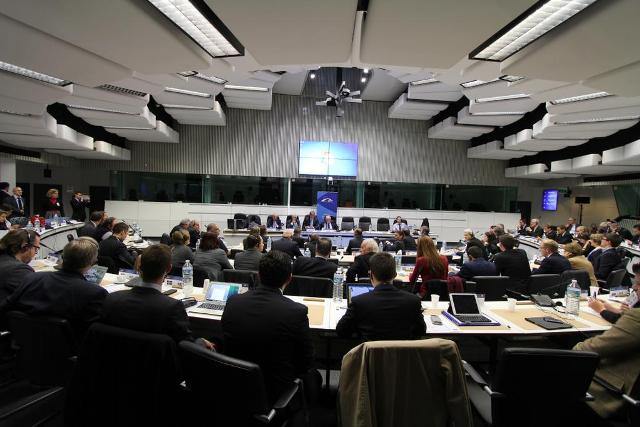
EPP member parties concerned over political situation in Albania, approve resolution on women in the labour market; reiterate support for PLDM in Moldovan elections; vote to hold Congress in Madrid in 2015
Brussels, 18 November 2014 NOA.al – The European People’s Party (EPP) held its Political Assembly (PA) yesterday and today in Brussels, gathering delegates of EPP member parties from across Europe.
The PA approved two resolutions, discussed a number of political issues—in particular the situation in Moldova—and voted to approve the dates and location of the next EPP Congress.
The participants discussed the political situation in Moldova, with EPP President Joseph Daul reiterating the EPP’s support for Moldovan member party PLDM in advance of the parliamentary elections that will take place on 30 November. President Daul also hailed the victory of Klaus Iohannis in the second round of the presidential elections in Romania on Sunday.
Two resolutions were approved by the EPP PA: a resolution on Albania praises the June 2014 decision to grant candidate status to Albania in the country’s path towards EU membership, while expressing great concern regarding the “deterioration of the political situation that has led to polarisation, lack of dialogue and cooperation in Albania.”
A resolution introduced by EPP Women titled “How women are renewing labour market patterns” emphasises the role of women in the labour market and calls on policymakers at the EU and national levels to promote women’s participation in the labour market.
The participants of the Political Assembly also decided to hold the next EPP Congress in Madrid, Spain on 30 September and 1 October 2015. The Congress, which is the highest decision-making body of the EPP, will be hosted by Spanish member party Partido Popular and will gather delegates and representatives from all branches of the EPP political family. The PA voted as well to hold a major meeting in Malta in 2017.
***
EPP is the largest and most influential European-level political party of the centre-right, which currently includes 78 member-parties from 39 countries, the Presidents of the European Commission and the European Council, 12 EU and 6 non-EU heads of state and government, 14 members of the European Commission and the largest Group in the European Parliament. /noa/
